Free Delivery & Return
 365-Day Returns
 10 Million Happy Customers
 500,000 Products in Stock

Sleep Better: How to Find the Right Bed for Your Space & Body
Reviewed by the Beliani Content Team · Updated November 2026
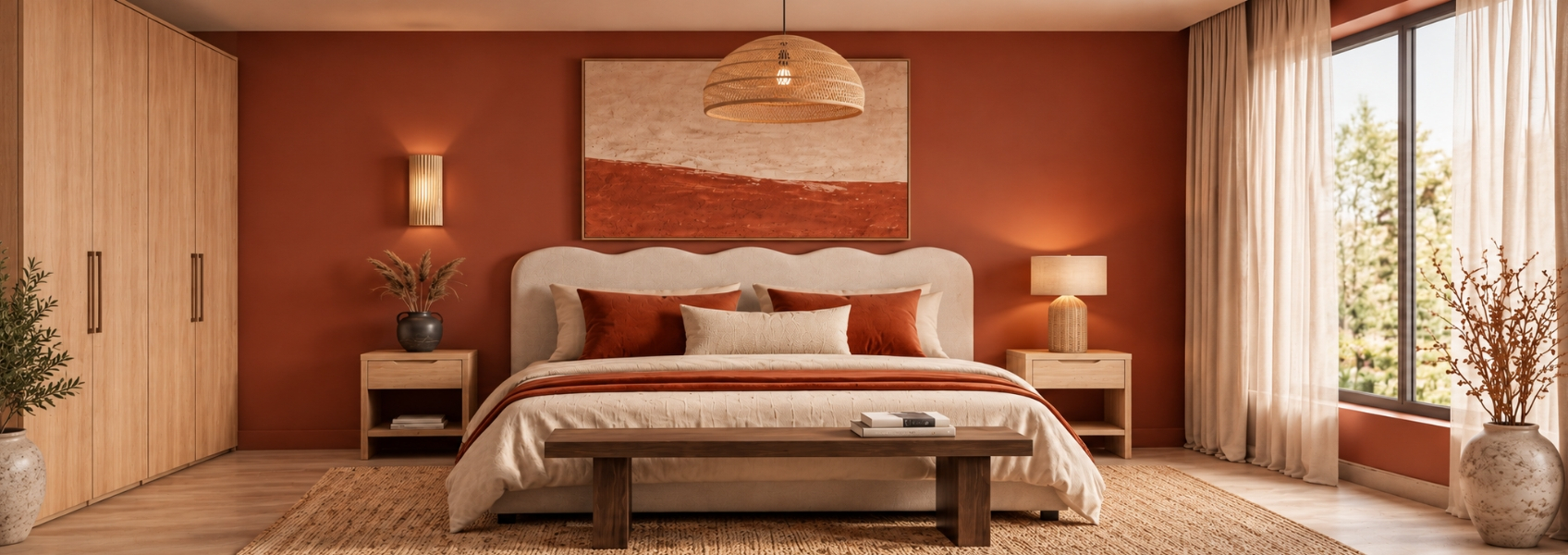
A bed takes up more space than almost any other piece of bedroom furniture, and you use it every night. Its size, structure and design affect how comfortably you sleep, how easily you move around the room and how practical your bedroom is during the day. This guide helps you choose a bed that suits your body, available space and daily routines without paying for features you do not need.
In short
How do you choose the right bed?
Start with a mattress size that gives everyone enough room to sleep comfortably, then check whether the bed's full external dimensions fit your bedroom. For two adults, 160 × 200 cm is a practical starting point, while 180 × 200 cm provides more individual space. Choose a stable frame and mattress-compatible base before deciding whether you need storage, a headboard or a particular material. The best choice balances sleeping comfort with the space and features you actually use.
What bed size do you actually need?
A bed that is too narrow can make it difficult to change sleeping positions without disturbing your partner. A bed that is too large can restrict access to wardrobes, drawers and other bedroom furniture. Choose the sleeping surface first, then consider the space occupied by the entire frame.
| Mattress size | Suitable for | What to consider |
|---|---|---|
| 80 × 200 cm | One person in a compact room, or a day bed | Narrower than a standard single; best for children, guest rooms or occasional use |
| 90 × 200 cm | One person | A compact option for single bedrooms or guest rooms |
| 120 × 200 cm | One person wanting more room | Extra width without taking up as much space as a standard double |
| 140 × 200 cm | One person or two with limited space | Suitable for compact bedrooms, but relatively narrow for two adults every night |
| 160 × 200 cm | Two adults | A balanced option for shared sleeping and bedroom space |
| 180 × 200 cm | Two adults wanting extra room | More separation for different sleeping positions and movement |
Check the size before you buy
Beliani sells mattresses and bed frames in European sizes. Check the exact measurements in centimetres carefully before buying, rather than relying on size names alone, to make sure the bed fits both your body and your bedroom.
How much space should you leave around the bed?
Allow approximately 60 cm of clear walking space along the sides you use regularly, if the room permits. More space is useful where you need to open a wardrobe, pull out a drawer or make the bed comfortably. A bed against a wall may work in a narrow single bedroom, but it makes access more difficult when two people share it.
A simple space-planning example
A mattress measuring 160 × 200 cm needs a wider footprint once the bed frame is included. If the actual frame is 170 cm wide, leaving 60 cm of access on both sides means a total width of about 290 cm is needed. Check the position of doors, radiators and cupboards before deciding that the layout works.
Which type of bed suits your everyday needs?
Different bed constructions solve different problems. Some maximise storage, while others focus on a simpler appearance, an elevated mattress or easy access around the frame. Consider what is currently missing from your bedroom before choosing a design.
Extra organisation
Storage beds
Useful when wardrobes are already full or there is little room for additional furniture. Choose between under-bed drawers and lift-up compartments according to how often you need to access stored items.
Shop storage beds
Layered comfort
Box spring beds
Combine an upholstered base with a mattress and, in some designs, a topper. Their layered construction often creates a higher sleeping surface. Check which components are included and whether they can be replaced separately.
Read more about box spring beds
Guest accommodation
Daybeds and guest beds
Suitable for rooms that serve several purposes. Some designs include a pull-out sleeping surface, but you should check the open dimensions and mattress requirements before buying.
Shop daybeds and trundle beds
Adjustable feel
Waterbeds
Use a water-filled mattress with a suitable support structure, typically with temperature control and movement-dampening features. They offer a distinctive sleeping feel, but need a compatible base, electricity for heating and occasional maintenance.
Shop waterbeds
Want to feel like royalty? Shop canopy beds with a tall, four-post frame built to hold curtains overhead
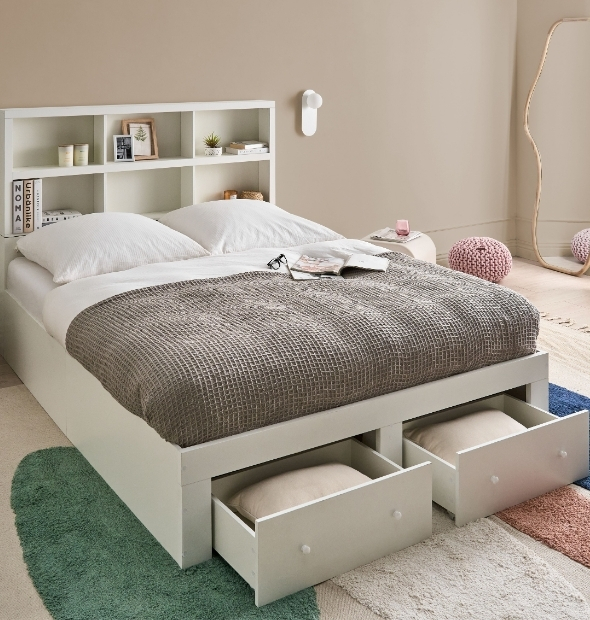
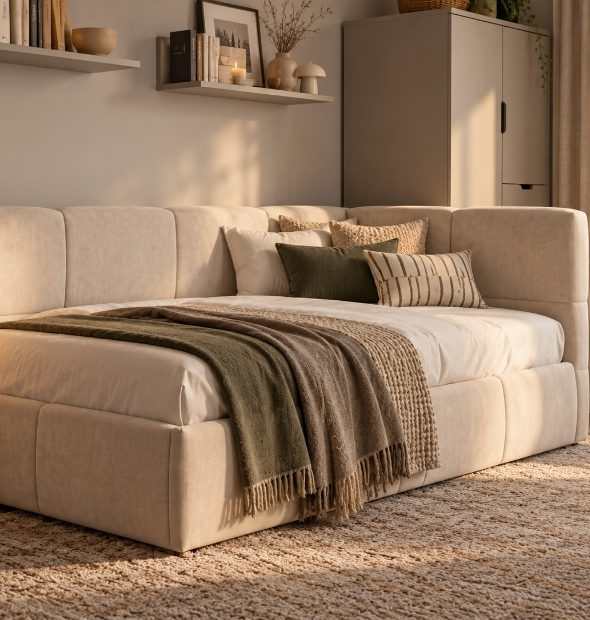

Spotted your dream setup? Shop our featured beds
Is a storage bed worth it?
Storage beds make use of the area beneath the mattress, which is often otherwise unused. They are particularly practical for spare bedding, seasonal textiles and belongings that do not need daily access. However, the opening system matters as much as the amount of storage available.
Lift-up storage
A lifting mechanism raises the mattress platform to reveal a compartment underneath. This can work well in a compact bedroom because you do not need additional floor space to pull out drawers. Check whether the bed opens from the foot or side, whether the mattress weight is compatible with the lifting mechanism and whether you can operate it comfortably.
Drawers under the bed
Drawers allow access to specific items without lifting the mattress. They are useful for belongings you reach for regularly, but you must leave enough room beside the bed for the drawers to extend fully. Thick rugs, bedside furniture or nearby walls can make them inconvenient.
Storage space needs ventilation too
Avoid putting damp bedding or clothing into closed bed compartments. Keep textiles clean and completely dry, follow the manufacturer's ventilation guidance and periodically check the storage area for moisture. An enclosed storage base can restrict airflow compared with an open frame.
Do you need a headboard?
A headboard is not essential for sleeping, but it can improve how you use the bed when sitting upright. It also provides a visual boundary between the bed and the wall. Whether you need one depends more on your habits than on the bedroom's decorative style.
- If you read or watch television in bed, an upholstered or padded headboard can offer a more comfortable surface to lean against. Extra pillows may still be needed for support.
- If you use the bed mainly for sleeping, a simple wooden or metal headboard may be enough, or you may prefer a headboard-free frame.
- If the room is narrow, check whether a wide or winged headboard takes up extra wall space and interferes with nearby furniture.
- If cleaning is a priority, smooth wood and metal surfaces are generally easier to wipe down than textured upholstery.
Which frame material suits daily use?
Durable
Wood
Solid or engineered wood frames can provide sturdy support for daily use when the joints and supporting components are well constructed. Solid wood offers natural grain and can often be repaired, while engineered wood provides consistent finishes. Check the construction and load capacity rather than assuming that either material is automatically stronger.
Shop wooden beds
Slim profile
Metal
Metal frames often have slimmer profiles and open designs that take up less visual space. Their weight and strength depend on the type and thickness of metal used. They are relatively easy to clean, but all connections must be securely assembled to prevent unwanted movement or noise.
Shop metal beds
Comfortable
Upholstered fabric
An upholstered fabric frame, especially one with a padded headboard, offers a softer surface to lean against. Fabric adds texture to a bedroom, but it needs regular vacuuming and more care around spills, dust and pet hair. Check the upholstery cleaning instructions and whether any covers are removable.
Shop fabric beds
Easy to wipe
Leather and faux leather
Leather and faux leather have smooth surfaces that can make everyday cleaning easier. Genuine leather needs suitable care products, while faux leather may develop cracking or peeling as it ages. Both can feel warmer against the skin than breathable fabric, particularly in summer.
Shop leather beds
Natural texture
Rattan
Rattan beds bring a woven, natural texture to the bedroom and often work well in lighter, relaxed interiors. Rattan may form part of the headboard or decorative panels rather than the main load-bearing structure. Check the underlying frame material, protect woven sections from excessive moisture and clean between the fibres with a soft brush.
Shop rattan beds
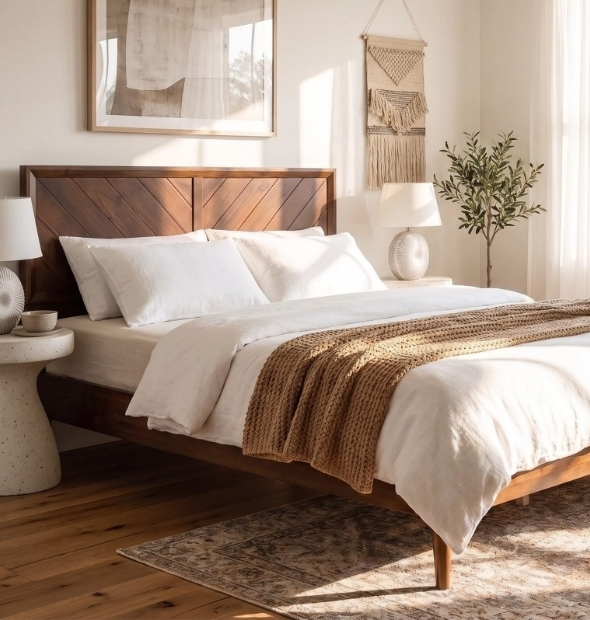
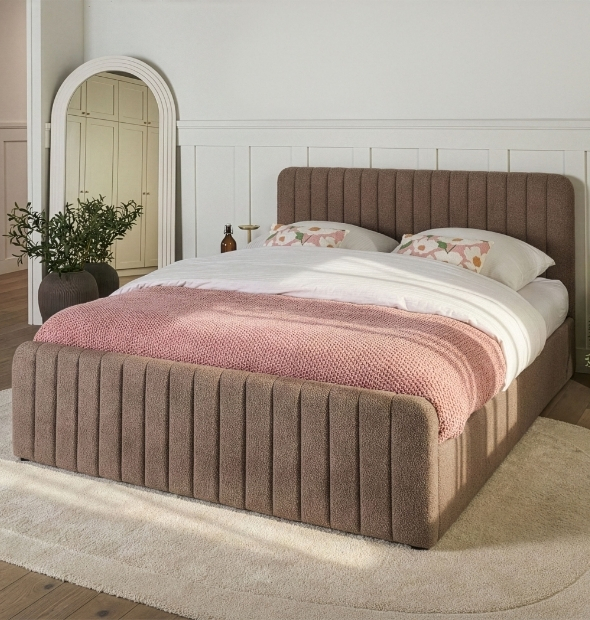
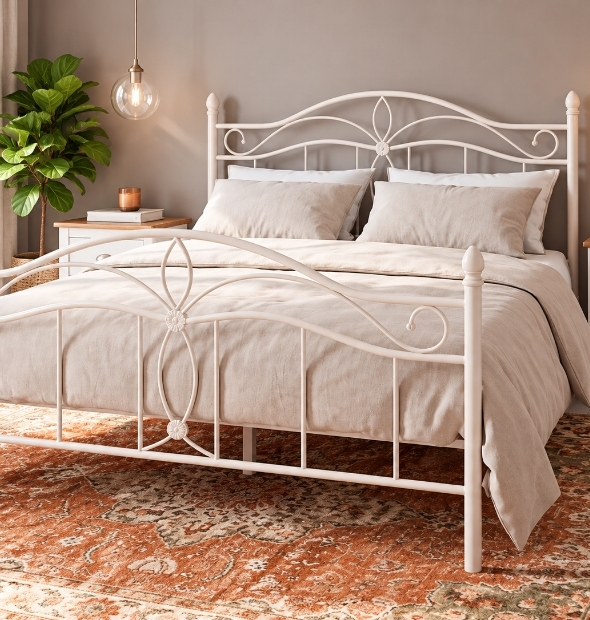
Loving one of these looks? Shop our featured beds
How important is the mattress when choosing a bed?
The mattress plays a central role in pressure relief and how well your body is supported during sleep. A good-looking frame cannot compensate for a mattress that feels uncomfortable or fails to support your sleeping position. Similarly, even a suitable mattress may not perform as intended on an incompatible or damaged base.
When choosing the mattress, consider the position you normally sleep in, how much pressure you feel around your shoulders and hips, and whether the mattress maintains comfortable alignment. Firmness preferences are personal, and a firmer mattress is not automatically more supportive.
For couples, differences in preferred firmness or movement sensitivity may make two separate mattresses a useful option, provided the frame is designed to accommodate them.
Did you know?
Most adults spend close to a third of their lives asleep. That makes the mattress one of the few purchases in the home that receives daily, multi-hour use for years. Choosing a suitable mattress and support base is therefore more important for sleeping comfort than the frame's decorative finish.
Do not overlook the mattress-base combination
Before buying, check three things together: the mattress dimensions, the type of support base and the mattress manufacturer's compatibility instructions. A mismatch can affect comfort, stability and the expected performance of the mattress.
Read more: how to choose a mattress
What can your sleeping habits tell you about the right bed?
How you use the bed can be a better starting point than its appearance. Two people with bedrooms of the same size may need different bed designs because they have different sleeping positions, mobility needs or daily habits.
- If you change sleeping positions frequently, prioritise enough mattress width to move without reaching the edge.
- If you share a bed with someone who moves often, consider a wider sleeping surface and a mattress designed to limit motion transfer.
- If you sit in bed to read, pay attention to headboard comfort and the combined sitting height of the frame and mattress.
- If you need easier access when getting up, consider mattress-edge stability and an appropriate bed height.
- If you regularly rearrange your bedroom, a simpler, easier-to-disassemble frame may be more practical than a heavy integrated storage design.
How do bedding and pillows affect sleep comfort?
The bed frame and mattress provide the foundation, but the bedding you use every night also influences comfort. Pillows help support your head and neck, while sheets, duvets and mattress protectors affect how warm or cool you feel.
- Choose a pillow height and firmness that keeps your neck comfortably aligned with your spine. Side sleepers often need more pillow height than back or stomach sleepers.
- Choose duvet warmth according to the season, your bedroom temperature and whether you tend to feel hot or cold during sleep.
- Natural materials such as cotton and linen can provide breathable, moisture-absorbing bedding. The weave and fabric weight also influence how the material feels against the skin.
- Check fitted-sheet depth against the total mattress height, especially if you use a topper. Sheets that are too shallow can slip off the corners.
- Use a breathable, washable mattress protector to help keep the mattress clean without trapping excessive heat.
If you often wake up feeling too warm, changing your duvet, pillow or bed linen may be more useful than changing the bed frame. Consider the complete combination of mattress, protector, sheets and bedding before deciding what needs replacing.
Read more: choosing the perfect sleeping pillow
What else can affect your sleep quality?
The bed is only one part of a good sleeping environment. Light, noise, temperature and everyday routines can affect sleep even when the mattress and frame are suitable.
Did you know?
Your body temperature changes during sleep. The body's internal temperature naturally decreases around sleep onset. A bedroom that feels too warm can make sleeping uncomfortable, so consider ventilation, bedding and mattress breathability. Keeping the sleeping environment comfortably cool can help you avoid overheating during the night.
Light and your body clock
Light exposure helps regulate your natural sleep-wake rhythm. Bright lighting and screens late in the evening can delay the body's preparation for sleep, while natural daylight in the morning helps reinforce a regular schedule. Consider dimmable bedside lighting and curtains or blinds that limit unwanted light during the night.
Shop now: bedside lamps
What to check before buying a bed
Before making your final choice, compare the product specifications with your room measurements and the way you use your bed.
- Measure the full external width and length of the bed frame, including any projecting headboard or footboard.
- Check that the mattress dimensions provide sufficient width and length for everyone using it.
- Measure walking space and confirm that nearby doors, wardrobes and bedside drawers can still open.
- Check the slat system, centre supports and permitted weight load against the intended mattress and users.
- If choosing storage, confirm the opening direction, required clearance and accessibility of the compartment.
- Measure the final sleeping height, including the base and mattress, to make sure it is comfortable to get into and out of bed.
- Check the delivery package dimensions, assembly requirements and access through doors, staircases and corridors.
Frequently asked questions
Is a 140 × 200 cm bed big enough for two people?
A 140 × 200 cm bed can accommodate two adults, but each person has only 70 cm of width. This can feel restrictive if either person moves frequently or prefers more personal space. For regular shared sleeping, a 160 × 200 cm or 180 × 200 cm bed is generally more comfortable if the bedroom allows.
What's the difference between a divan base and a slatted frame?
A divan base is typically a fabric-covered box structure that supports a mattress, sometimes with integrated drawers or a sprung top. A slatted frame supports the mattress on a series of wooden or metal slats, allowing airflow between them. Both can provide adequate support when designed for the mattress being used.
Can you use any mattress with any bed frame?
No. The mattress must match the frame's intended dimensions and the manufacturer's support requirements. Some mattresses need closely spaced slats or a solid, ventilated foundation, so check compatibility before combining products from different ranges.
Do beds with wooden slats make more noise than metal beds?
Noise is usually related to loose connections, friction between components or insufficient support rather than one material alone. Both wooden and metal frames can creak. Proper assembly, secure joints and correctly fitted slats are more important than the frame material.
How do you know when a bed frame needs replacing?
Persistent movement, damaged joints, bent supports or broken slats can indicate that a frame needs repair or replacement. First check whether the problem comes from loose fittings or incorrectly installed components. Stop using a frame if structural damage makes it unstable.